Buy qou.eu ?
We are moving the project
qou.eu .
Are you interested in purchasing the domain
qou.eu ?
domain@kv-gmbh.de · 0541-91531010
Buy qou.eu ?
How can technology be used in the classroom?
Technology can be used in the classroom in various ways to enhance learning experiences. For example, teachers can use interactive whiteboards to engage students in lessons, educational apps and software can be used for personalized learning, and online resources can provide additional information and practice. Additionally, technology can facilitate communication between teachers, students, and parents, making it easier to share information and updates about student progress. Overall, integrating technology into the classroom can help make learning more engaging, interactive, and efficient. **
How is sex education addressed in the classroom?
Sex education is typically addressed in the classroom through a combination of biology lessons on human reproduction and dedicated sex education classes. These classes cover topics such as anatomy, contraception, sexually transmitted infections, and healthy relationships. The curriculum is often age-appropriate and may vary depending on the grade level of the students. In some schools, parents may have the option to opt their children out of these classes. **
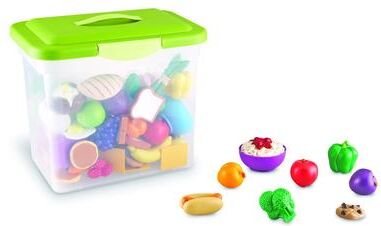

Similar search terms for Classroom
Top-Angebote
Products related to Classroom:
-
Usborne Beginners Science Series – 10 Book Classroom Set Primary School STEM & Nonfiction Learning Books (Includes Earthquakes & Tsunamis)Inspire curiosity and a love of learning with the Usborne Beginners Science Series – 10 Books Collection Set, created by Usborne. This engaging educational collection introduces young readers to fascinating science topics through clear explanations, vivid illustrations, and easy-to-read text. Covering subjects such as Earthquakes and Tsunamis, nature, space, and the world around us, these books make complex ideas accessible and exciting. Designed for independent readers and classroom use, the Usborne Beginners series supports early STEM learning, reading confidence, and general knowledge development. Why Parents & Teachers Love This Collection: 10 engaging science books for children Covers key topics including Earthquakes & Tsunamis Easy-to-read format ideal for beginners Bright illustrations and simple explanations Perfect for ages 6–10 and early learners A fantastic introduction to science, the Usborne Beginners Collection helps children explore, question, and understand the world around them. Earthquakes and Tsunamis This is a fantastic addition to the popular Beginners series, providing an informative introduction to the fascinating world of earthquakes for young readers. There are clear explanations of the science behind different types of earthquakes and their effects, including tsunamis and landslides. This title features real-life earthquakes, and describes how people are kept safe and rescued when disaster strikes. Striking colour photographs and step-by-step illustrations engage readers with the subject matter. This title is developed with a reading expert from Roehampton University to help young readers grow in confidence. Sun Moon and Stars What is the Sun made of? How did astronauts get to the Moon and what did they find there? For children beginning to read on their own, this book is an exciting introduction to space. Includes vivid, full colour illustrations and photographs on every page, and easy-to-read text specially written with the help of a reading expert Living in Space How do astronauts travel into space? Where do they live when they get there? What do they do all day? In this book you'll find the answers and lots more amazing facts about living in space. This non-fiction series aims to encourage children to access the wonder of the world around them. The easy-to-read text has been specially written with the help of a reading expert Storms and Hurricanes How do astronauts travel into space? Where do they live when they get there? What do they do all day? In this book you'll find the answers and lots more amazing facts about living in space. This non-fiction series aims to encourage children to access the wonder of the world around them. The easy-to-read text has been specially written with the help of a reading expert Volcanoes An introduction to earthquakes and volcanoes. The sensational images combine with lively text, amazing facts, diagrams and a comprehensive glossary Astronomy A straightforward book telling...17,99 £*Shipping: 2,99 £Secure redirect to the provider
-
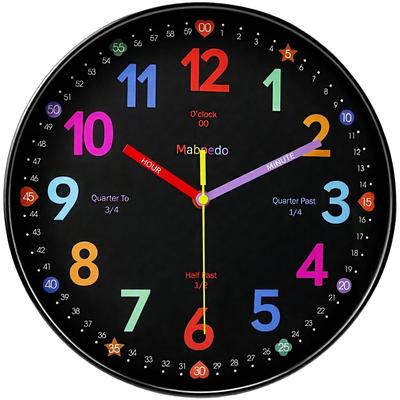
Perfect Picks Market Kids Learning Clock Silent Analog Teaching Wall Clock For Classroom & Bedroom Inch black 10 InchTransform learning into an exciting daily adventure with this Kids learning clock designed to help children master time with confidence. Featuring colorful numbers, clearly marked hands, and an easytoread analog display, it's perfect for young...69,97 $*Shipping: 0,00 $Secure redirect to the provider


-
What is the difference between homeschooling and traditional classroom education?
Homeschooling involves parents or guardians taking on the role of the primary educator for their children, often using a personalized curriculum and learning environment. Traditional classroom education, on the other hand, involves students attending a school and being taught by certified teachers using a standardized curriculum. Homeschooling allows for more flexibility in scheduling and individualized learning, while traditional classroom education provides social interaction and a structured learning environment. Additionally, homeschooling may involve a more hands-on and experiential approach to learning, while traditional classroom education often focuses on lectures and group activities. **
-
'Haikyuu or Assassination Classroom?'
Both Haikyuu and Assassination Classroom are popular anime series with dedicated fan bases. Haikyuu follows the story of a high school volleyball team striving for success, while Assassination Classroom revolves around a group of students tasked with assassinating their alien teacher. Both series offer engaging storylines, well-developed characters, and exciting action scenes. Ultimately, the choice between the two comes down to personal preference for sports anime or action-packed school settings. **
-
What is an airtight classroom?
An airtight classroom is a learning space that is sealed off from outside air, preventing the exchange of air between the inside and outside. This is typically achieved through the use of sealed windows and doors, as well as a ventilation system that filters and circulates the air within the room. The purpose of creating an airtight classroom is to control the indoor air quality, temperature, and humidity levels, which can help create a more comfortable and healthy environment for students and teachers. **
-
What is a classroom app?
A classroom app is a software application designed to enhance the learning experience for students and teachers in a classroom setting. These apps can provide tools for communication, collaboration, organization, and assessment. They often include features such as virtual classrooms, interactive lessons, digital assignments, and grade tracking. Classroom apps aim to make learning more engaging, efficient, and accessible for both educators and students. **


What is an open classroom?
An open classroom is a flexible and collaborative learning environment that encourages students to work together and engage in hands-on, experiential learning. It typically features movable furniture, open spaces, and a lack of traditional classroom walls, allowing for a more fluid and interactive learning experience. Open classrooms often promote student-centered learning, creativity, and critical thinking skills, as well as fostering a sense of community and collaboration among students and teachers. **
What happened in the classroom?
In the classroom, the students were actively engaged in a group discussion about the topic being taught. The teacher facilitated the conversation, asking thought-provoking questions and encouraging students to share their perspectives. There was a palpable energy in the room as students eagerly participated and exchanged ideas. Overall, it was a dynamic and interactive learning environment. **
Top-Angebote
Products related to Classroom:
-
Usborne Beginners Science Series – 10 Book Classroom Set Primary School STEM & Nonfiction Learning Books (Includes Earthquakes & Tsunamis)Inspire curiosity and a love of learning with the Usborne Beginners Science Series – 10 Books Collection Set, created by Usborne. This engaging educational collection introduces young readers to fascinating science topics through clear explanations, vivid illustrations, and easy-to-read text. Covering subjects such as Earthquakes and Tsunamis, nature, space, and the world around us, these books make complex ideas accessible and exciting. Designed for independent readers and classroom use, the Usborne Beginners series supports early STEM learning, reading confidence, and general knowledge development. Why Parents & Teachers Love This Collection: 10 engaging science books for children Covers key topics including Earthquakes & Tsunamis Easy-to-read format ideal for beginners Bright illustrations and simple explanations Perfect for ages 6–10 and early learners A fantastic introduction to science, the Usborne Beginners Collection helps children explore, question, and understand the world around them. Earthquakes and Tsunamis This is a fantastic addition to the popular Beginners series, providing an informative introduction to the fascinating world of earthquakes for young readers. There are clear explanations of the science behind different types of earthquakes and their effects, including tsunamis and landslides. This title features real-life earthquakes, and describes how people are kept safe and rescued when disaster strikes. Striking colour photographs and step-by-step illustrations engage readers with the subject matter. This title is developed with a reading expert from Roehampton University to help young readers grow in confidence. Sun Moon and Stars What is the Sun made of? How did astronauts get to the Moon and what did they find there? For children beginning to read on their own, this book is an exciting introduction to space. Includes vivid, full colour illustrations and photographs on every page, and easy-to-read text specially written with the help of a reading expert Living in Space How do astronauts travel into space? Where do they live when they get there? What do they do all day? In this book you'll find the answers and lots more amazing facts about living in space. This non-fiction series aims to encourage children to access the wonder of the world around them. The easy-to-read text has been specially written with the help of a reading expert Storms and Hurricanes How do astronauts travel into space? Where do they live when they get there? What do they do all day? In this book you'll find the answers and lots more amazing facts about living in space. This non-fiction series aims to encourage children to access the wonder of the world around them. The easy-to-read text has been specially written with the help of a reading expert Volcanoes An introduction to earthquakes and volcanoes. The sensational images combine with lively text, amazing facts, diagrams and a comprehensive glossary Astronomy A straightforward book telling...17,99 £*Shipping: 2,99 £Secure redirect to the provider
-
How can technology be used in the classroom?
Technology can be used in the classroom in various ways to enhance learning experiences. For example, teachers can use interactive whiteboards to engage students in lessons, educational apps and software can be used for personalized learning, and online resources can provide additional information and practice. Additionally, technology can facilitate communication between teachers, students, and parents, making it easier to share information and updates about student progress. Overall, integrating technology into the classroom can help make learning more engaging, interactive, and efficient. **
-
How is sex education addressed in the classroom?
Sex education is typically addressed in the classroom through a combination of biology lessons on human reproduction and dedicated sex education classes. These classes cover topics such as anatomy, contraception, sexually transmitted infections, and healthy relationships. The curriculum is often age-appropriate and may vary depending on the grade level of the students. In some schools, parents may have the option to opt their children out of these classes. **
-
What is the difference between homeschooling and traditional classroom education?
Homeschooling involves parents or guardians taking on the role of the primary educator for their children, often using a personalized curriculum and learning environment. Traditional classroom education, on the other hand, involves students attending a school and being taught by certified teachers using a standardized curriculum. Homeschooling allows for more flexibility in scheduling and individualized learning, while traditional classroom education provides social interaction and a structured learning environment. Additionally, homeschooling may involve a more hands-on and experiential approach to learning, while traditional classroom education often focuses on lectures and group activities. **
-
'Haikyuu or Assassination Classroom?'
Both Haikyuu and Assassination Classroom are popular anime series with dedicated fan bases. Haikyuu follows the story of a high school volleyball team striving for success, while Assassination Classroom revolves around a group of students tasked with assassinating their alien teacher. Both series offer engaging storylines, well-developed characters, and exciting action scenes. Ultimately, the choice between the two comes down to personal preference for sports anime or action-packed school settings. **
Similar search terms for Classroom
-
Perfect Picks Market Kids Learning Clock Silent Analog Teaching Wall Clock For Classroom & Bedroom Inch black 10 InchTransform learning into an exciting daily adventure with this Kids learning clock designed to help children master time with confidence. Featuring colorful numbers, clearly marked hands, and an easytoread analog display, it's perfect for young...69,97 $*Shipping: 0,00 $Secure redirect to the provider
-
Perfect Picks Market Kids Learning Clock Silent Analog Teaching Wall Clock For Classroom & Bedroom Inch white 10 InchTransform learning into an exciting daily adventure with this Kids learning clock designed to help children master time with confidence. Featuring colorful numbers, clearly marked hands, and an easytoread analog display, it's perfect for young...69,97 $*Shipping: 0,00 $Secure redirect to the provider
-
What is an airtight classroom?
An airtight classroom is a learning space that is sealed off from outside air, preventing the exchange of air between the inside and outside. This is typically achieved through the use of sealed windows and doors, as well as a ventilation system that filters and circulates the air within the room. The purpose of creating an airtight classroom is to control the indoor air quality, temperature, and humidity levels, which can help create a more comfortable and healthy environment for students and teachers. **
-
What is a classroom app?
A classroom app is a software application designed to enhance the learning experience for students and teachers in a classroom setting. These apps can provide tools for communication, collaboration, organization, and assessment. They often include features such as virtual classrooms, interactive lessons, digital assignments, and grade tracking. Classroom apps aim to make learning more engaging, efficient, and accessible for both educators and students. **
-
What is an open classroom?
An open classroom is a flexible and collaborative learning environment that encourages students to work together and engage in hands-on, experiential learning. It typically features movable furniture, open spaces, and a lack of traditional classroom walls, allowing for a more fluid and interactive learning experience. Open classrooms often promote student-centered learning, creativity, and critical thinking skills, as well as fostering a sense of community and collaboration among students and teachers. **
-
What happened in the classroom?
In the classroom, the students were actively engaged in a group discussion about the topic being taught. The teacher facilitated the conversation, asking thought-provoking questions and encouraging students to share their perspectives. There was a palpable energy in the room as students eagerly participated and exchanged ideas. Overall, it was a dynamic and interactive learning environment. **
* All prices are inclusive of VAT and, if applicable, plus shipping costs. The offer information is based on the details provided by the respective shop and is updated through automated processes. Real-time updates do not occur, so deviations can occur in individual cases. ** Note: Parts of this content were created by AI.